
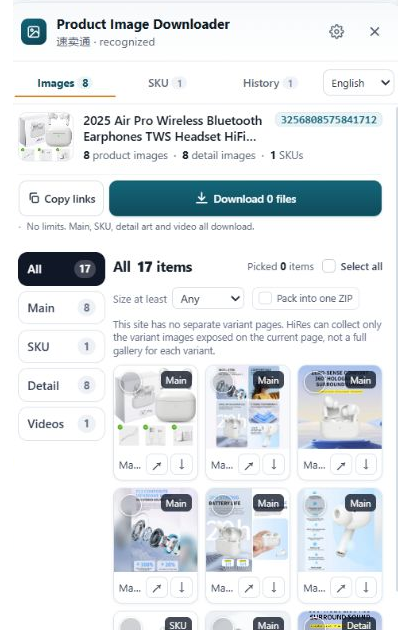
Product photos belong to whoever made them: the brand, the supplier's photographer, or a studio. A supplier handing you a photo pack is not the same as owning the rights to it. Using supplier photos for research is normal and safe. Publishing them in a live listing without written permission is where takedowns and account strikes come from. And to be clear up front: this is practical experience from selling online, not legal advice.
Who actually owns a product photo
Copyright in a photo sits with the person or business that created it. For product photos that is usually the brand's marketing team, a hired studio, or the supplier's own photographer. It is almost never the factory floor, and it is definitely not whoever happens to have the file. Factories make the goods. Studios make the pictures of the goods. Those are different assets with different owners.
Buying stock from a supplier buys you the stock. It does not buy you their photography, their lookbook or their marketplace images, unless a contract says so. The same goes for photos on another seller's listing: they were made by that seller or their photographer, and saving a copy changes nothing about who owns them.
What can actually go wrong
Marketplaces run complaint systems for exactly this. A brand, photographer or rival seller files an intellectual-property complaint, and the platform's first move is to take the listing down and ask questions later. You get a notice, the listing goes dark, and the sales rank you built on it starts cooling off.
One complaint is an annoyance. Marketplaces also record strikes against the account, and they add up: repeat complaints can bring listing limits, suppressed search placement, held payments in serious cases, or a closed account. Rights owners sometimes follow up separately and ask for a licence fee covering the time their photo was live. None of this needs a court case. Most of it happens inside the platform's own system, on the platform's timeline.
The grey zones sellers talk themselves into
These are the arguments we hear most, and why each one leaks:
- "The supplier sent me the pack." Files are not rights. A pack proves the supplier had the images, not that they own them or can pass them on. Photo packs passed around factories routinely include the brand's own studio shots.
- "They said it was fine in chat." Better than nothing, and written chat is worth keeping. But a yes from a sales rep covers their own photos at best. It cannot license photos the supplier took from the brand, and it gets fuzzy about which products and marketplaces it covers.
- "Every other seller uses these photos." Often true, and it means a lot of sellers are exposed at once. Brands do enforcement in waves, usually right before peak season, and "everyone does it" has never been an accepted defence in a complaint response.
- "I edited them, so they're mine now." Cropping, resizing, adding a logo or running a photo through a filter makes a derivative version of someone else's work. It doesn't transfer ownership, and marketplace matching tools are good at spotting edited copies of originals.
A safer workflow
None of this means supplier photos are useless to you. It means they have a proper place in the process:
- Download them for research. Specs, dimensions, materials, what's in the box, how the product is styled: this is the normal, everyday use, and it is what download tools like HiRes are for.
- If you want a photo in a live listing, ask in writing. Name the products and the photos, name the marketplaces, and keep the reply. An email or a saved chat screenshot with a date on it is worth having.
- Keep a simple permission file per supplier. Who said yes, when, and what it covers. When a complaint lands, this folder is the difference between a five-minute reply and a lost week.
- Reshoot your winners. Once a product proves it sells, photograph it yourself or hire someone local. Your own photos are the one asset no complaint can touch, and they usually convert better than the pack shots every competitor is sharing.
Treat silence as a no. A supplier who won't answer the permission question hasn't given you permission, and the risk sits with your account, not theirs.
Not legal advice. This page is practical experience from running stores and handling takedowns, written in plain language. Copyright law varies by country, and your contracts may say things this article can't know. If real money is on the line, an hour with an intellectual-property lawyer costs less than a suspended account in November.
Questions people ask
My supplier said I can use their photos. Is that enough?
It is a good start, especially if you have it in writing. Keep the chat or email where they said yes, and note which products it covers. Permission from a supplier also cannot cover photos the supplier took from someone else, which happens more often than people think.
What actually happens if I use photos I don't have rights to?
Usually the listing gets taken down first, after a rights complaint from the brand or photographer. Marketplaces also record strikes against the account, and repeat strikes can limit or close it. In some cases the rights owner asks for payment for the time the photo was live.
Are factory photos shared in a supplier pack free to use?
Not automatically. A photo pack means the supplier is handing you files; it does not prove they own the rights or can pass them on. Big-brand product shots inside a factory pack are the classic trap: the factory made the goods, but the brand's studio made the photos.
What is the safest way to use supplier photos?
Use them for research: specs, features, packaging details. For the live listing, get written permission for those exact photos, or shoot your own. Photos you took yourself are the only set you never have to think about again.
Do the research part properly
HiRes is built for that research stage: pull a listing's gallery, variant and detail photos into one panel, keep them for specs and reference, and publish photos you own or have permission for. Free for individual downloads.
Get HiRes for Chrome