
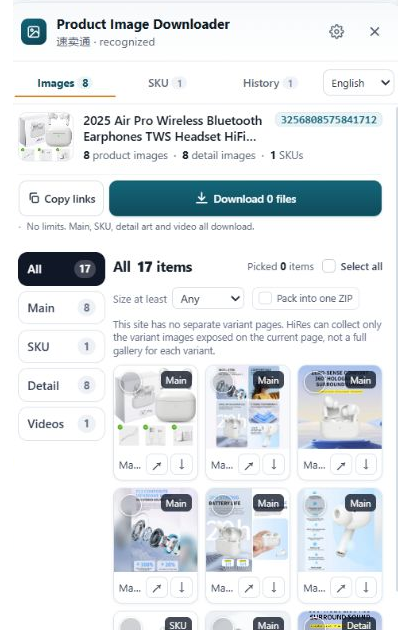
Downloading a product image to your computer for research or reference is generally fine. Using that image in your own listing, store or ad without the owner's permission is where infringement starts. The file is easy to get; the rights don't come with it.
Yes, with one big condition. Saving product photos for your own research, comparison or records is normal, lawful seller work. The moment you publish someone else's photo as your own, in a listing, an ad or a store page, you're using their work commercially. That's the use the owner can object to, get taken down, and report.
Technically possible isn't the same as permitted
Your browser can save almost any image it can display. That says nothing about rights. Product photos belong to whoever created them: the brand, the seller, or the photographer they hired. Copyright comes with creation, not registration, so "there was no © symbol on it" is not a defence, and neither is "everyone in my niche uses these". Getting a copy and using the work are two different acts. Marketplace rules and copyright law both care far more about the second one.
What marketplaces actually do
Amazon, eBay, Etsy and the rest prohibit infringing images in their seller policies, and they enforce through automation plus complaints from rights owners. The usual sequence: a report lands, the listing comes down or gets suppressed, and your account takes a strike. Repeat problems can end an account, and appeals rarely accept "my supplier gave me the pictures" as proof of rights. Notice what enforcement acts on: what's published. Nobody is auditing the reference folder on your hard drive.
The supplier grey zone
Suppliers hand out photo packs, and sellers reasonably assume "they gave them to me" means "I can use them". Sometimes that's true: the factory shot the photos and licenses them to every buyer. Sometimes the pack was copied from a brand's listing in the first place, and the supplier had no right to pass it on. A chat message saying "you can use" is better than nothing and worse than clear written permission that names the images and where you may use them. If the product carries a known brand's logo and photo style, assume the photos belong to that brand until you have proof otherwise.
Habits that keep sellers out of trouble
- Download freely for research: specs, measurements, packaging details, side-by-side comparison.
- Get permission in writing before publishing supplier photos, and keep the message.
- For live listings, reshoot or commission your own photos of the actual product you ship.
- Treat "found it on a marketplace" as ownership unknown, never as public domain.
Straight with you: we're a software team, not lawyers, and this page is practical experience, not legal advice. Laws differ by country. If real money rides on a set of images, twenty minutes with an IP lawyer where you live is cheap insurance.
Questions people ask
Can I get in trouble just for downloading a product image?
That's not what enforcement targets. Saving images for private research, comparison or reference is routine and generally fine. Trouble starts at publishing: using the photo in a listing, ad or store without the owner's permission.
My supplier sent me their photo pack. Can I use those photos?
Maybe. If the supplier created the photos and gives you permission, ideally in writing, you're on solid ground. If the pack was copied from a brand in the first place, the supplier can't give you rights they don't have. When the product is a known brand, ask for proof or shoot your own.
What happens if I use brand photos without permission?
Typically a takedown or a suppressed listing first, plus a policy strike on your account. Rights owners can also pursue the legal route, and repeated strikes can cost you the account itself. The cost lands on the seller who published the image, not on the person who downloaded it.
Download for research, the easy way
HiRes saves a listing's images to your device for research and reference, processed locally in your browser. Free for individual downloads.
Get HiRes for Chrome